Bond Court in Cook County: What to Expect
Under Illinois's Pretrial Fairness Act, Cook County no longer uses cash bail. Instead, a judge at a bond hearing decides either to release you with conditions or to detain you until trial. The ruling depends on whether prosecutors can prove you are a flight risk or a danger to the community. Knowing what happens in that courtroom — and why — can help you and your family prepare.
Cash Bail Is Gone: What Changed in Illinois
On September 18, 2023, Illinois became the first state in the country to fully eliminate cash bail. The change came through the Pretrial Fairness Act, which is part of the broader SAFE-T Act codified under the Illinois Code of Criminal Procedure (725 ILCS 5/Art. 110). Before that date, a person arrested in Cook County could, in many cases, pay a set dollar amount to secure release while their case moved through the courts. If they could not afford it, they waited in jail — sometimes for months — regardless of the actual risk they posed.
Under the new system, money no longer determines whether you go home. Instead, a judge makes an individualized decision based on the facts of your case and your background. The question is no longer "Can you pay?" but rather "Are you a risk to the community or a flight risk?"
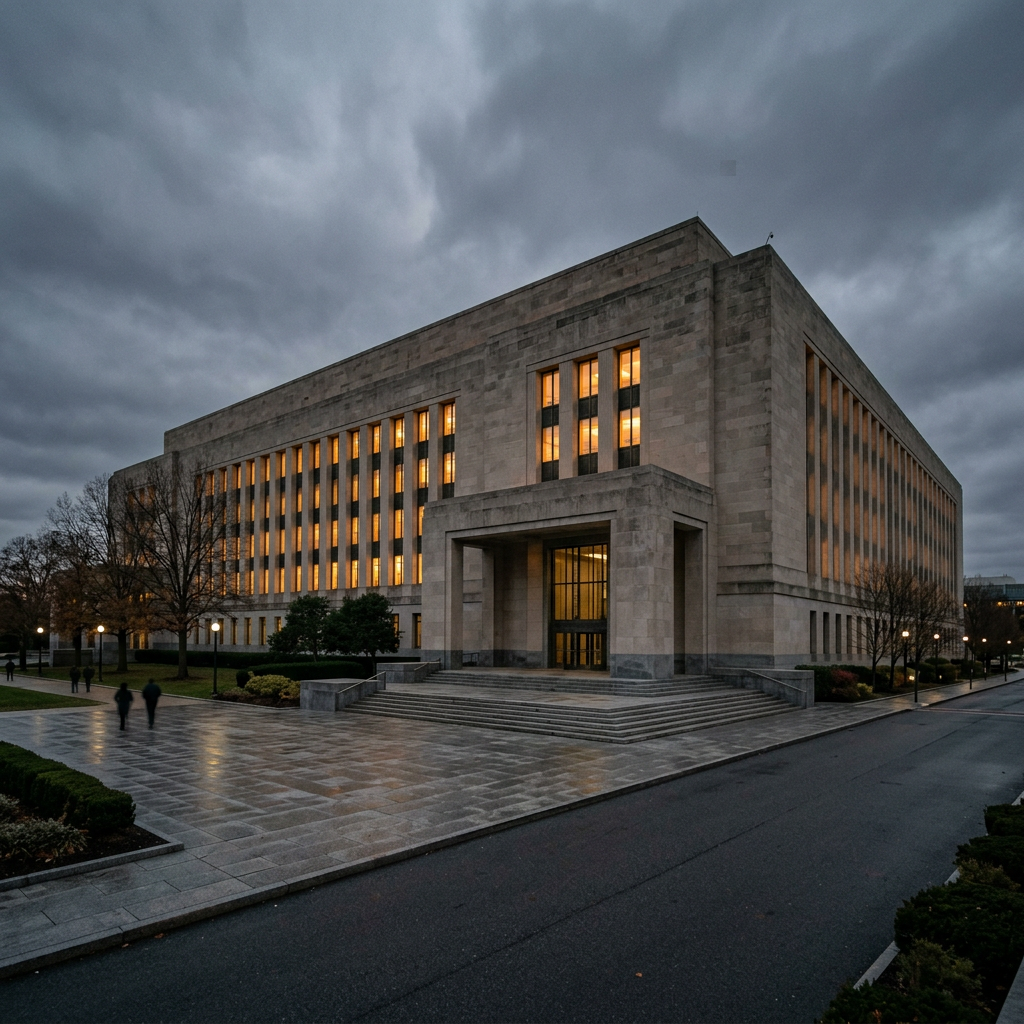
This shift has real consequences for how bond hearings work at the Circuit Court of Cook County, which handles the overwhelming majority of criminal cases in the Chicago area. Whether your hearing takes place at the main criminal courthouse at 26th and California (officially the George N. Leighton Criminal Courthouse), the Daley Center, or one of the district courthouses in the suburbs, the same legal framework applies. Understanding that framework is the first step toward knowing what to expect.
The Timeline: From Arrest to the Bond Hearing
After an arrest in Cook County, the clock starts moving quickly. Illinois law requires that anyone held in custody must be brought before a judge for a first appearance within 48 hours of arrest. In practice, the bond hearing often happens at the next available court call, which in Chicago frequently means the following morning.
Here is a general picture of those first hours:
- Arrest and booking. You are taken to a police station, fingerprinted, photographed, and entered into the system. The Illinois State Police maintains the central criminal history repository, but local booking is handled by the arresting agency — Chicago Police, Cook County Sheriff, or a suburban department.
- Charges are filed. The Cook County State's Attorney's Office reviews the police report and decides whether to approve charges and at what level (felony or misdemeanor).
- First appearance / bond hearing. A judge reviews the charges, informs you of your rights, and conducts the pretrial release hearing. This is what most people call "bond court."
- Pretrial Services interview (if applicable). Depending on the charge and circumstances, a pretrial services officer may interview you before the hearing to gather background information — employment, ties to the community, prior record — and share that information with the judge.
If you are arrested on a felony charge, your hearing typically takes place in the Felony First Appearance courtroom. Misdemeanor hearings follow a slightly different path but operate under the same statutory rules. Either way, the hearing is usually brief — often less than 30 minutes — which is exactly why preparation matters so much.
How the Judge Decides: Detention vs. Conditions of Release
The Pretrial Fairness Act creates two possible outcomes at a bond hearing. The judge either orders your release with conditions or orders you detained until your case is resolved. There is no middle ground where you can simply pay your way out.
Release with conditions is the default starting point. The law presumes that most people should be released while their case is pending. Conditions can be minimal or significant depending on what the judge believes is necessary to protect the public and ensure you return to court. Common conditions include:
- Regular check-ins with a pretrial services officer
- Electronic monitoring (an ankle bracelet)
- A curfew or home confinement
- Restrictions on contacting alleged victims or witnesses
- Drug or alcohol testing
- Surrender of a passport or firearms
- Restrictions on travel outside Cook County or Illinois
Pretrial detention is reserved for cases where the judge finds, by clear and convincing evidence, that no combination of conditions would adequately protect the community or guarantee your appearance at future court dates. Detention is not automatic, even for serious charges. The State must formally petition for detention.
Under 725 ILCS 5/110-6.1, detention can be sought for specific categories of offenses, including:
- Forcible felonies (such as murder, robbery, criminal sexual assault)
- Certain weapons offenses
- Domestic violence offenses involving a credible threat
- Offenses where the defendant poses a real and present threat of willful flight
The judge weighs a list of factors spelled out in the statute. These include the nature and circumstances of the offense, the defendant's history and characteristics (criminal history, employment, family ties, length of residence in the community, mental health), the identity of any victim and the risk to that person, and whether there is a verified danger to any other identifiable person or the broader community. The burden is on the Cook County State's Attorney to prove detention is warranted — it does not fall on you or your attorney to prove you deserve release.

What Happens Inside the Courtroom
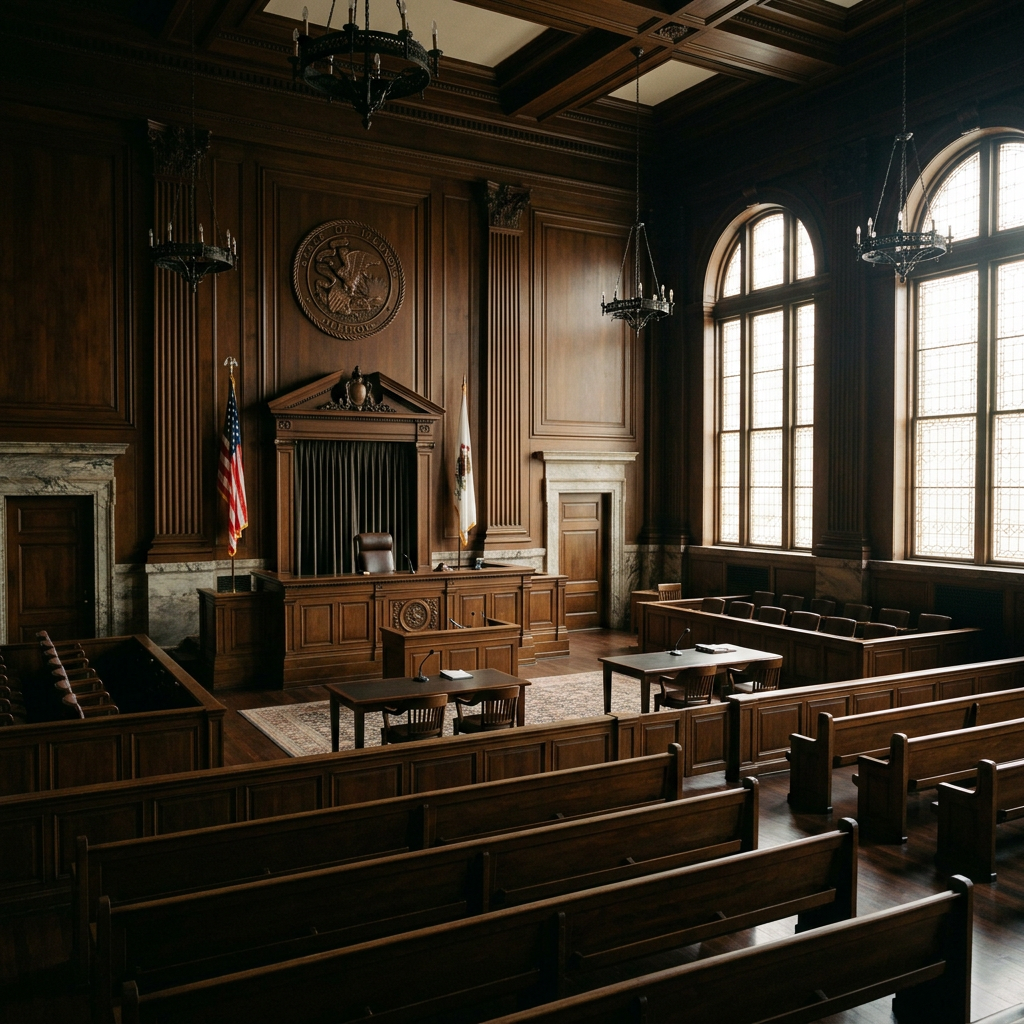
Bond hearings in Cook County move fast. The judge, a prosecutor from the State's Attorney's Office, and a defense attorney (either privately retained or from the Cook County Public Defender's Office) are all present. Here is what typically unfolds:
1. The judge states the charges. The court identifies the charges the State has approved and the class of offense — for example, a Class 2 felony under Illinois law or a Class A misdemeanor.
2. The State presents its case for detention (if applicable). If prosecutors want you held, they file a written petition and present a proffer — a summary of the evidence, often drawn from the police report. They are not required to call live witnesses at this stage, though they may.
3. Your attorney responds. Defense counsel can challenge the State's proffer, present information about your background and ties to the community, and argue that conditions of release are sufficient. This is one of the most critical moments in your case. A skilled advocate can meaningfully shift the outcome.
4. The judge rules. The judge states findings on the record — whether the State has met its burden — and issues an order of release with conditions or an order of detention.
5. If detained, you have options. A detention order is not permanent and is not a finding of guilt. Your attorney can file a motion to reconsider the detention order if circumstances change — for example, if new information comes to light or if the alleged victim recants. The court is required to hear that motion promptly.
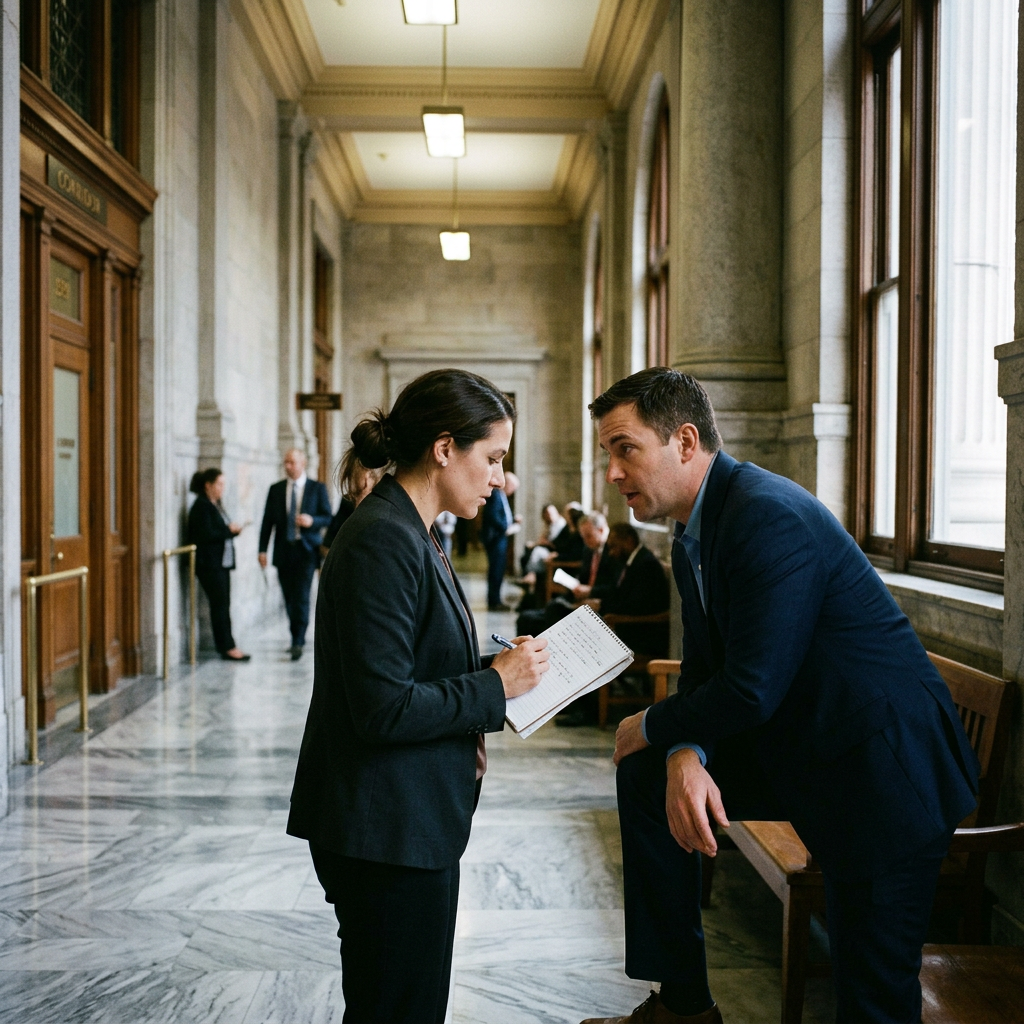
Families watching from the gallery should know that hearings are generally open to the public at Cook County courthouses, though space may be limited. The courtroom at 26th and California can feel intimidating, but understanding the structure of what is happening helps. You will not be asked to speak. Your role is simply to be present — and that presence, visible to the defendant and the court, genuinely matters.
What Defendants and Families Should Do Before the Hearing
Because the bond hearing happens so quickly after arrest, preparation is limited — but it is not zero. There are concrete steps that can make a real difference.
Get an attorney involved as early as possible. If you can reach a private defense attorney before the hearing, even a brief phone call can help counsel gather background information to present to the judge. If a private attorney is not available in time, the Cook County Public Defender will be appointed. The Public Defender's office is one of the largest in the country and has attorneys assigned specifically to bond court hearings.
Gather and communicate relevant background information. The judge is required by law to consider community ties and personal history. Useful facts include:
- Length of time living at a stable address in Cook County or Illinois
- Employment status, employer name, and how long you have worked there
- Family responsibilities (children, elderly dependents you care for)
- Enrollment in school or a treatment program
- Prior record — or the absence of one
- Any medical or mental health conditions
Make sure a family member or friend passes this information to the defense attorney before the hearing begins.
Do not make statements to police without an attorney. Anything said during booking or before an attorney arrives can potentially be used during the bond hearing proffer or later in the case. This is not about being uncooperative — it is about protecting your legal rights under the Fifth Amendment.
Understand the conditions if released. If the judge orders release with conditions, violating those conditions can result in an immediate return to custody and a new detention hearing. Take every condition seriously from day one — electronic monitoring curfews, check-in requirements, and no-contact orders are all enforced, and violations are reported to the court.
Follow up with the court clerk for dates. After the bond hearing, the case is assigned a future court date. The Circuit Court of Cook County allows you to look up case information and upcoming dates through its online case management system at cookcountycourt.org. Missing a court date — even accidentally — can result in a warrant and a new detention petition.
Common Misconceptions About the New System
The elimination of cash bail in Illinois generated a great deal of public debate, and with that debate came a fair amount of confusion. Here are some of the most common misunderstandings.
"Without cash bail, everyone gets released." This is not accurate. Judges can and do order pretrial detention for individuals who pose a genuine danger or flight risk. The change is that money alone no longer determines who goes home. A person with resources is no longer automatically free while a person without resources automatically waits in jail.
"The Pretrial Fairness Act means charges don't matter anymore." Charges matter enormously. The nature and seriousness of the alleged offense is one of the primary factors the judge weighs. A charge of Class X felony armed robbery will lead to a very different hearing than a Class B misdemeanor disorderly conduct.
"The hearing is just a formality." For some low-level charges with no aggravating factors, the outcome may be relatively predictable. But for many defendants, the bond hearing is the single most consequential court appearance in the entire case. A detention order means you face trial — and the associated pressure to accept a plea deal — from a jail cell. The importance of having prepared, effective advocacy at this stage cannot be overstated.
"A detention order means I will definitely be in jail until trial." Not necessarily. As noted above, detention orders can be revisited. Circumstances change, and the law provides a mechanism to return to court and argue for release. Your attorney should keep that option on the table throughout the pretrial period.
For the most current and official information on how the Pretrial Fairness Act is being implemented across Illinois, the Illinois Courts website maintained by the Illinois Supreme Court publishes resources and updates for the public.
Frequently Asked Questions
The editorial team researches and writes plain-language immigration information, drawing on official government sources and reviewing each page for clarity and accuracy.
Sources & Citations
- [1]Official Government Source: Illinois Compiled Statutes – Code of Criminal Procedure, Article 110 (Pretrial Release)
- [2]Official Government Source: Illinois Courts – Pretrial Fairness Act Information
- [3]Official Government Source: Circuit Court of Cook County – Case Information
- [4]Official Government Source: Cook County State's Attorney's Office
- [5]Official Government Source: Illinois State Police – Criminal History Information
More criminal defense insights
Insights

Need help with your criminal case?
Our experienced Chicago criminal defense attorneys offer confidential consultations to review your case and outline clear next steps.
Request a Consultation