Appealing a Criminal Conviction in Illinois
After a guilty verdict or plea in Illinois, you generally have 30 days to file a notice of appeal. From there, the Illinois Appellate Court reviews the trial record for legal errors, constitutional violations, or ineffective assistance of counsel. If direct appeal fails, a post-conviction petition can raise issues that couldn't be addressed before. Understanding each step can help you protect your rights.

Why Appeals Matter — and What They Can and Cannot Do
A criminal conviction does not have to be the final word. Illinois law gives convicted defendants a structured path to challenge what happened at trial — or even before it. But it is important to understand what an appeal actually is, because many people misunderstand the process.
An appeal is not a new trial. The Illinois Appellate Court does not hear new witnesses, weigh new evidence, or decide whether a defendant is guilty or innocent from scratch. Instead, it reviews the written record from the trial court — transcripts, motions, rulings, and evidence admitted below — to determine whether a legal error occurred that affected the outcome of the case.
That distinction matters enormously. If you believe the jury simply got it wrong, that feeling alone is not a legal ground for appeal. However, if the judge improperly admitted a confession obtained without Miranda warnings, if your attorney failed to investigate an alibi, or if the prosecutor withheld evidence favorable to the defense, those are the kinds of issues that appellate courts are built to address.
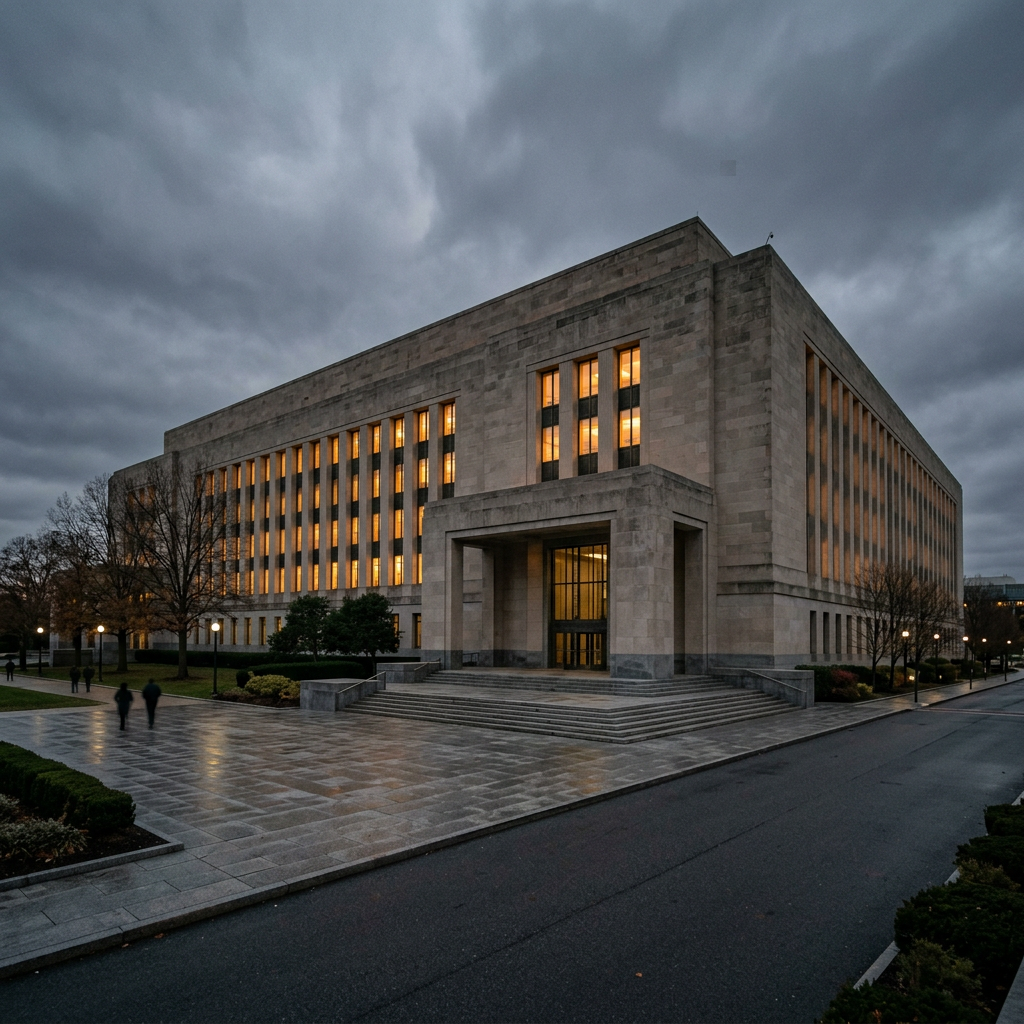
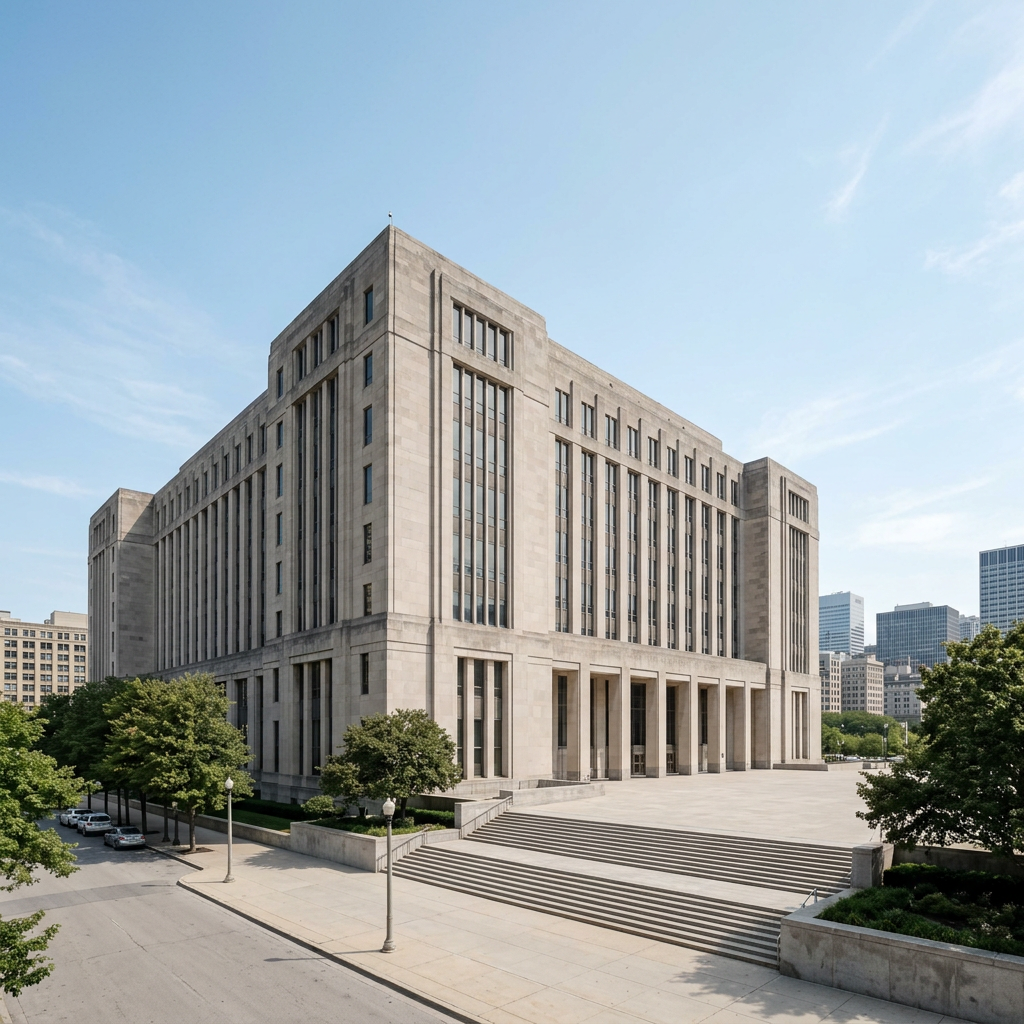
For people convicted in Cook County — at the courthouse at 26th Street and California Avenue, one of the busiest criminal court complexes in the country — the stakes of the appellate process are especially high. A successful appeal can result in a sentence being reduced, a conviction being vacated, or an entirely new trial being ordered. None of those outcomes is guaranteed, but each is possible when the right legal issues are properly preserved and argued.
The Clock Starts Immediately: Notice of Appeal Timelines
The single most important deadline in the entire appellate process is the notice of appeal. Under Illinois Supreme Court Rule 606, a defendant in a criminal case generally must file a notice of appeal within 30 days of the final judgment — meaning, in most cases, within 30 days of sentencing.
Missing that deadline can forfeit your right to a direct appeal entirely. Courts treat the timely filing of a notice of appeal as a jurisdictional requirement, which means the appellate court typically cannot even hear the case if the notice is late.
What if the deadline has passed? Illinois Supreme Court Rule 606(c) does allow a defendant to file a late notice of appeal, but only within six months of the judgment and only if the defendant can show that the failure to file on time was not due to their own culpable negligence. This is a higher bar than it sounds, and it requires a sworn petition explaining the circumstances.
A note on post-plea situations: If a defendant pleaded guilty rather than going to trial, there is an extra step. Illinois Supreme Court Rule 604(d) requires that the defendant first file a motion to withdraw the guilty plea (or a motion to reconsider the sentence) in the trial court before appealing. That motion must also be filed within 30 days of sentencing, and defense counsel must file a certificate stating that they have reviewed the record and consulted with the defendant. Failure to comply with Rule 604(d) can bar the appeal.
Because these deadlines are so tight and the procedural requirements so specific, anyone who has just been sentenced — or whose family member has just been sentenced — should consult with a criminal defense attorney as quickly as possible after judgment is entered.

The Illinois Appellate Court, First District: Cook County's Reviewing Court
Illinois is divided into five appellate districts. Cook County cases are reviewed by the First District of the Illinois Appellate Court, which sits in Chicago. Cases from the collar counties (DuPage, Kane, Lake, Will, McHenry) go to different districts, but for defendants convicted at 26th and California or at the Leighton Criminal Court Building, the First District is the court that will review their cases on direct appeal.
The First District is one of the busiest intermediate appellate courts in the United States. Appeals are typically decided by panels of three justices, who review the parties' written briefs and sometimes hear oral argument before issuing a written opinion.
How the briefing process works: After the notice of appeal is filed, the trial court record is assembled and sent to the appellate court. The defense then files an opening brief laying out every argued error, supported by citations to the record and legal authority. The State (represented at the appellate level by the Cook County State's Attorney's Office or the Illinois Attorney General, depending on the case) files a response brief. The defense may then file a reply. The entire process — from notice of appeal to final decision — can take a year or more in complex cases.
Common grounds for appeal include:
- Legal or evidentiary errors — The trial court improperly admitted or excluded evidence, gave incorrect jury instructions, or made a ruling that prejudiced the defense.
- Insufficient evidence — The evidence presented at trial, viewed in the light most favorable to the prosecution, was not enough to support the verdict beyond a reasonable doubt.
- Constitutional violations — The defendant's Fourth Amendment right against unreasonable searches, Fifth Amendment right against self-incrimination, or Sixth Amendment right to confrontation was violated.
- Ineffective assistance of counsel — Under the standard set in Strickland v. Washington, 466 U.S. 668 (1984), a defendant can argue that trial counsel's performance fell below an objective standard of reasonableness and that this deficiency actually prejudiced the outcome of the case. This is a two-part test and a demanding one.
- Sentencing errors — The sentence imposed was outside the statutory range, or the judge relied on improper factors.
A critical concept: preservation of issues As a general rule, an issue must have been raised and objected to at the trial court level before it can be argued on appeal. If defense counsel failed to object at trial, the issue may be considered forfeited. However, Illinois courts recognize the plain error doctrine, which allows appellate review of certain unpreserved errors when the evidence was closely balanced or when the error was so serious that it affected the fundamental fairness of the trial. (See Illinois Supreme Court Rule 615.)
Taking It Further: The Illinois Supreme Court
If the Illinois Appellate Court affirms the conviction, the next step is to seek review by the Illinois Supreme Court. Unlike the appellate court, the Illinois Supreme Court has discretionary jurisdiction over most criminal appeals — meaning it chooses which cases to accept. A defendant asks the court to hear the case by filing a Petition for Leave to Appeal (PLA) within 35 days of the appellate court's judgment.
The Illinois Supreme Court is most likely to accept a case when:
- Different districts of the Illinois Appellate Court have issued conflicting opinions on the same legal question.
- The case presents a significant question of Illinois constitutional law.
- The case involves a question of great public importance.
Simply losing at the appellate court level — even if you believe the decision was wrong — is generally not enough to persuade the Supreme Court to step in. The court's role is to resolve legal uncertainty and set statewide precedent, not to serve as a routine second layer of review.
If the Illinois Supreme Court denies the PLA, the direct appeal process in the Illinois state courts is exhausted. At that point, a defendant may consider filing a petition for a writ of certiorari in the United States Supreme Court, but that court accepts an extremely small percentage of the petitions it receives and generally does so only when there is a significant federal constitutional question at stake.
For defendants who have gone as far as the Illinois Supreme Court and still seek relief, the post-conviction petition — described in the next section — becomes the most important remaining tool.
Post-Conviction Petitions: When Direct Appeal Isn't Enough
The Post-Conviction Hearing Act (725 ILCS 5/122-1 et seq.) gives Illinois defendants a separate legal vehicle to raise constitutional claims that could not have been raised on direct appeal — typically because the relevant evidence was outside the trial record or because the issue was not discovered until after the appeal was decided.
A post-conviction petition is not a continuation of the direct appeal. It is an independent civil proceeding in which the defendant claims that their conviction or sentence violated the Illinois Constitution or the United States Constitution.
Common grounds for post-conviction petitions include:
- Newly discovered evidence of innocence, including DNA evidence.
- Evidence that the prosecution knowingly used perjured testimony or withheld favorable evidence in violation of Brady v. Maryland, 373 U.S. 83 (1963).
- Ineffective assistance of appellate counsel (which cannot be raised while that same counsel is still handling the direct appeal).
- A significant change in law that applies retroactively to the defendant's case.
- Actual innocence claims.
How the process works in Cook County: A post-conviction petition is filed in the same trial court where the conviction was entered — for Cook County cases, that means the Circuit Court of Cook County. The process has three stages:
- Stage One — Summary dismissal: The trial judge reviews the petition alone, without briefing from the State. If the petition is found to be frivolous and patently without merit, it can be dismissed at this stage, typically within 90 days of filing.
- Stage Two — Dismissal on motion: If the petition survives Stage One, the State is notified and may file a motion to dismiss. The defendant has the right to appointed counsel (or to retain counsel) at this stage. The court rules on the motion based on the written submissions.
- Stage Three — Evidentiary hearing: If the petition survives Stage Two, the defendant gets an evidentiary hearing where witnesses can testify and new evidence can be presented — the closest thing to a new proceeding that post-conviction law provides.
The Cook County Public Defender's Office has a dedicated Post-Conviction Unit that represents eligible defendants who cannot afford private counsel at Stages Two and Three.
Timing matters here, too. For most defendants, the petition must be filed within six months of the deadline for filing a petition for certiorari to the United States Supreme Court, or within six months of the date the appellate court issues its final decision if no PLA is filed — though there are exceptions for defendants sentenced to death or to imprisonment. Because these deadlines can be complex and fact-specific, the Illinois statute itself should be reviewed carefully and legal counsel consulted.
One additional tool worth knowing: the Certificate of Innocence (735 ILCS 5/2-702) is available to defendants who have already had their convictions vacated and who can prove by a preponderance of the evidence that they are actually innocent. A Certificate of Innocence can help clear a person's record and may support a claim for compensation from the Illinois Court of Claims.
Practical Steps If You or Someone You Love Has Been Convicted
Navigating the Illinois appellate system is genuinely complex. The rules are detailed, the deadlines are short, and a misstep at one stage can close off options at the next. Here are some practical things to keep in mind.
Act immediately after sentencing. The 30-day deadline for filing a notice of appeal begins to run the moment the judge enters the sentencing order. Do not wait to see whether things settle down or to save up money before looking for legal help. Contact an attorney right away — even a brief consultation can clarify whether your rights are still intact.
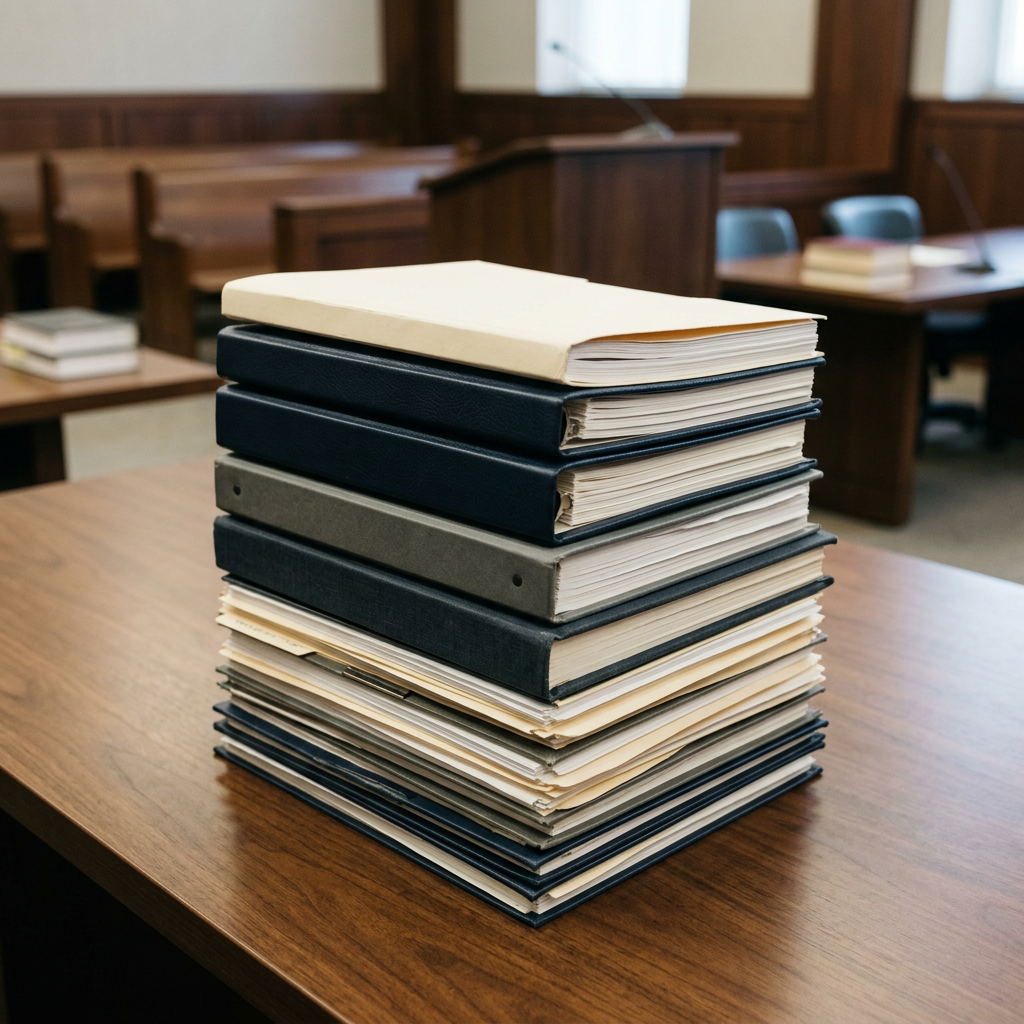
Understand what records you need. The appellate record typically includes the common law record (clerk's documents), the report of proceedings (transcripts), and exhibits. Transcripts can take time to prepare and can be costly. Defendants who cannot afford transcripts may qualify for a fee waiver through the Illinois Supreme Court's rules on indigent defendants.
Know the difference between appointed and retained counsel. In Illinois, defendants who are indigent have the right to appointed counsel for their direct appeal. The Illinois Supreme Court's rules provide for appointment of the Illinois Appellate Service Commission or the Cook County Public Defender in appropriate cases. For post-conviction proceedings, the right to appointed counsel attaches at Stage Two. Retained counsel — a private attorney you hire — can begin work at any stage.
Preserve all documents. Hold onto every piece of paper connected to the case: police reports, court orders, plea paperwork, sentencing transcripts, any correspondence from previous attorneys. Even documents that seem unimportant now may become significant during post-conviction proceedings.
Look into federal habeas corpus if state remedies are exhausted. Once all state court remedies are exhausted, a defendant in custody may be able to file a petition for a writ of habeas corpus in federal court under 28 U.S.C. § 2254. Federal habeas review is narrow — it is generally limited to claims that the conviction or sentence violates the federal Constitution — and requires that the claims were first fairly presented to the state courts. The Northern District of Illinois, which covers the Chicago area, handles these petitions.
The appellate and post-conviction process is long, often frustrating, and rarely quick. But for people who have been wrongly convicted — or convicted in a proceeding tainted by legal error — it represents a meaningful opportunity to seek justice. Understanding how the system works is the first step toward using it effectively.
This article is general legal information about the Illinois appellate process. It is not legal advice, and reading it does not create an attorney-client relationship. Every case is different. If you have questions about your specific situation, consult a licensed Illinois criminal defense attorney.
Frequently Asked Questions
The editorial team researches and writes plain-language immigration information, drawing on official government sources and reviewing each page for clarity and accuracy.
Sources & Citations
- [1]Official Government Source: Illinois Post-Conviction Hearing Act — 725 ILCS 5/122-1 et seq.
- [2]Official Government Source: Illinois Courts — Appellate Court, First District
- [3]Official Government Source: Certificate of Innocence — 735 ILCS 5/2-702
More criminal defense insights
Insights
Need help with your criminal case?
Our experienced Chicago criminal defense attorneys offer confidential consultations to review your case and outline clear next steps.
Request a Consultation