What Is a Preliminary Hearing in an Illinois Criminal Case?
A preliminary hearing is a court proceeding where a judge decides whether the prosecution has enough evidence — probable cause — to make a defendant stand trial on a felony charge. If the judge finds probable cause, the case moves forward. If not, the charges are dismissed, though the State may refile under certain conditions. A grand jury indictment can bypass this hearing entirely.
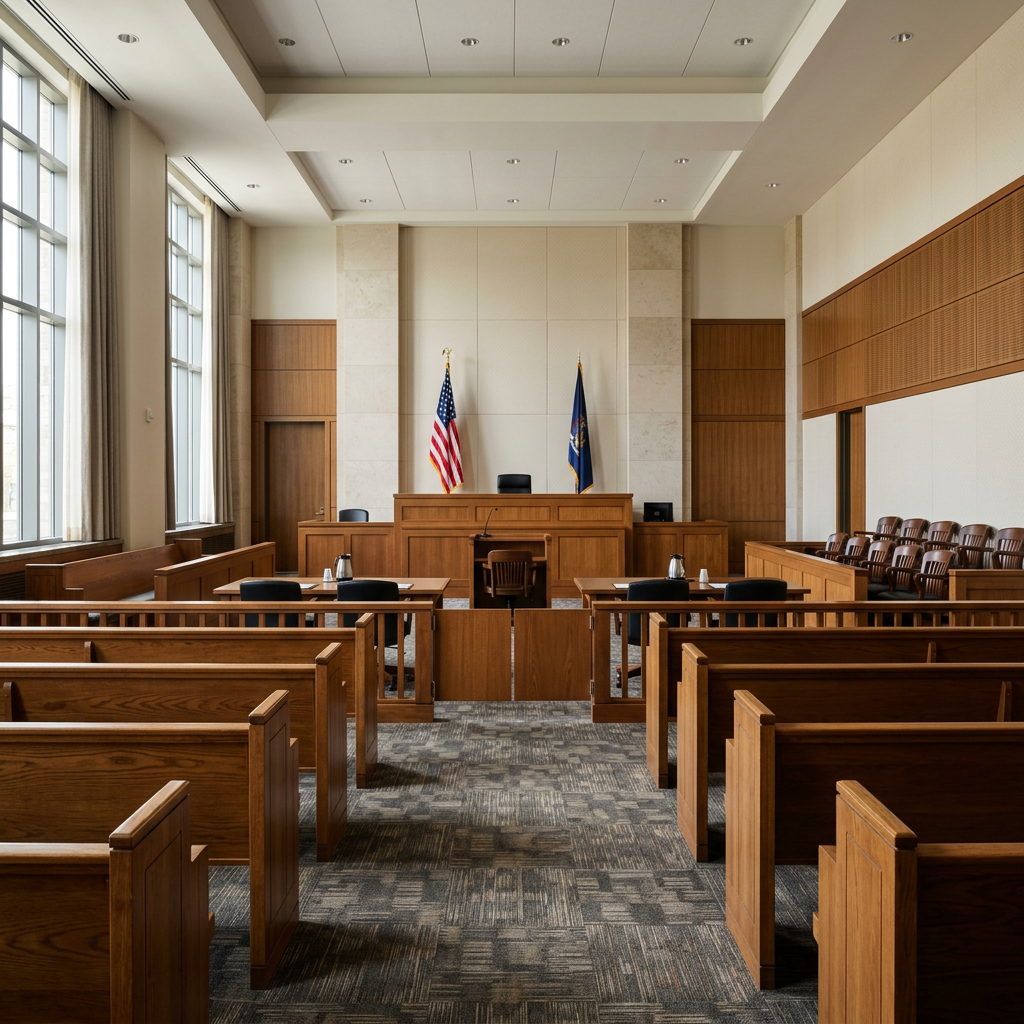
What a Preliminary Hearing Is — and Why It Matters
When someone is charged with a felony in Illinois, the case does not automatically go to trial. Before a defendant can be forced to face a jury, the law requires a meaningful check on the government's power to prosecute. That check is the preliminary hearing.
A preliminary hearing is a court proceeding — held before a judge, not a jury — where a prosecutor must show that there is probable cause to believe:
- A crime was committed, and
- The defendant is the person who committed it.
Probable cause is a lower standard than "beyond a reasonable doubt," which is required for a conviction. Think of it as a reasonable, well-grounded belief based on the evidence presented. The judge is not deciding guilt or innocence. The judge is deciding whether the case deserves to go further.
In Cook County, preliminary hearings in felony cases are conducted in the Circuit Court of Cook County. Defendants whose cases originate in the municipal districts — whether in suburban courthouses like Markham, Bridgeview, or Maywood, or in the city courtrooms at the Leighton Criminal Court Building at 26th and California — will have their probable cause determined at this early stage before their cases are certified up to the felony trial courts.
Understanding this stage can help defendants and their families know what to expect and why having skilled legal representation from the very beginning matters so much.
The Legal Framework: Where Illinois Law Comes From
The right to a preliminary hearing in Illinois is grounded in both state statute and court rules. Under 725 ILCS 5/109-3, a person in custody charged with a felony is entitled to a preliminary hearing unless they are indicted by a grand jury first or waive the hearing. The Illinois Code of Criminal Procedure lays out the procedural requirements, and the Illinois Supreme Court Rules fill in additional detail about how hearings are conducted.
Here are the core legal rules that govern Illinois preliminary hearings:
Timing. Illinois law sets deadlines for when a preliminary hearing must be held depending on whether the defendant is in custody or has been released. Specific timeframes can shift based on court scheduling and continuances, so it is important to confirm current timelines with an attorney or the court.
Who is present. The hearing involves the judge, the prosecutor, the defendant, and the defendant's attorney (or the public defender if the defendant qualifies). Witnesses — typically law enforcement officers and sometimes civilian witnesses — testify for the prosecution.
The evidentiary rules. This is one of the most important practical features of a preliminary hearing. Illinois courts apply relaxed evidentiary rules at this stage. Hearsay — an out-of-court statement offered for the truth of the matter asserted — is generally admissible at a preliminary hearing even though it would often be excluded at trial. This means a single detective can take the stand and summarize what other officers observed, what victims reported, or what surveillance footage showed, without those individuals needing to appear themselves.
What the judge considers. The judge reviews the testimony and any documentary evidence presented. The standard is whether a reasonable person, looking at all of the evidence, would believe it is more likely than not that the defendant committed the charged offense. Again, this is not proof beyond a reasonable doubt — it is a threshold determination.
Citations to the governing statute: 725 ILCS 5/109-3 (preliminary examination) and 725 ILCS 5/109-3.1 (written or recorded statements). Defendants and family members can read the full text of the Illinois Code of Criminal Procedure on the Illinois General Assembly's official website.
The Defendant's Right to Cross-Examine Witnesses
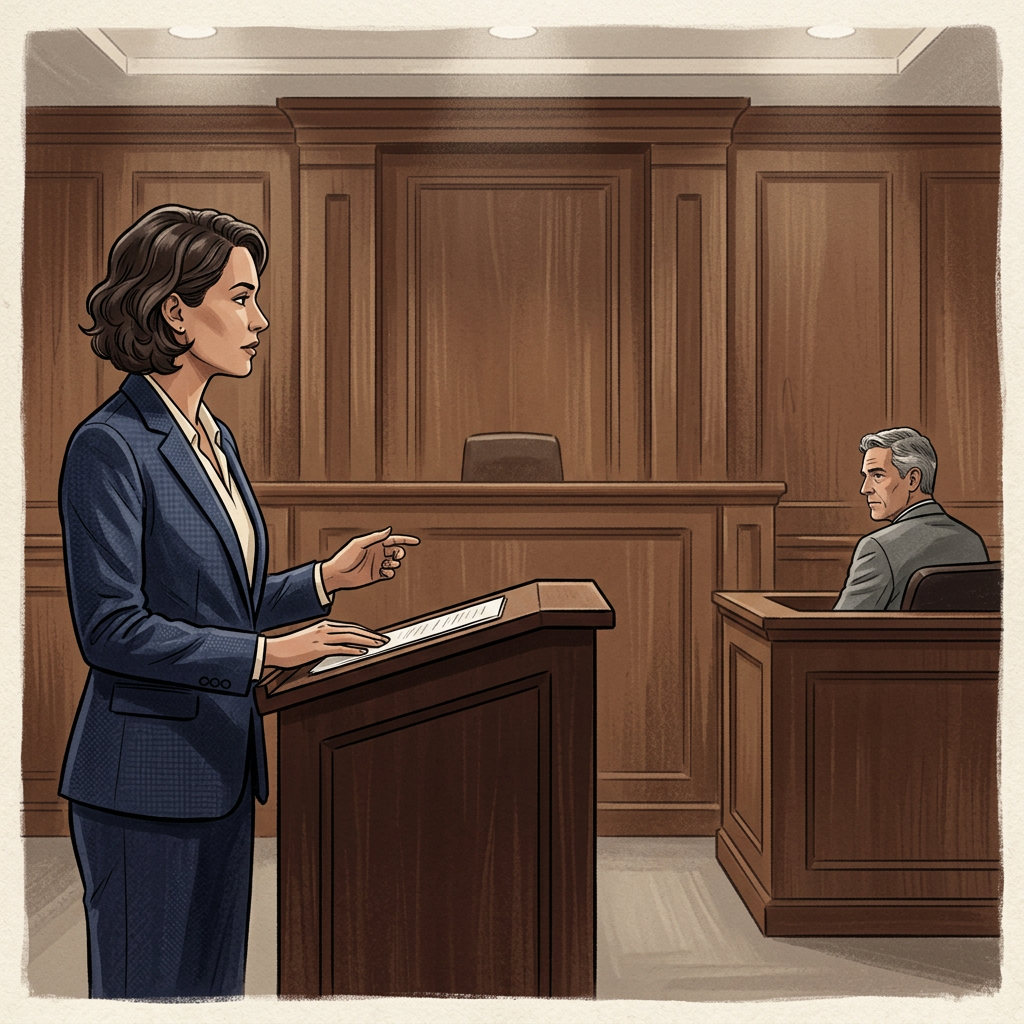
One of the most significant protections at a preliminary hearing — and one that distinguishes it meaningfully from a grand jury proceeding — is the defendant's right to cross-examine the witnesses who testify.
Cross-examination is the questioning of an opposing party's witness. At a preliminary hearing, the defense attorney can challenge a police officer or other witness on:
- The accuracy of their observations
- Inconsistencies in their account
- Whether proper procedures were followed
- The reliability of the evidence they relied upon
- Whether the evidence actually connects the defendant to the alleged offense
This right to confront witnesses is protected under both the U.S. Constitution (Sixth Amendment) and the Illinois Constitution. Even under the relaxed hearsay rules that apply at a preliminary hearing, cross-examination gives the defense a window into the prosecution's evidence early in the process.
For defense attorneys, the preliminary hearing serves several strategic purposes beyond simply winning a probable cause ruling:
- Locking in testimony. When a witness testifies under oath, their statements are recorded. If they later change their account at trial, the preliminary hearing transcript can be used to impeach them.
- Assessing the strength of the case. Seeing the prosecution's witnesses in action — how they hold up under pressure, how consistent they are — gives the defense valuable information.
- Identifying weaknesses. Cross-examination can expose gaps in the investigation that may lead to suppression motions or other pretrial challenges later.
In Cook County felony practice, where the volume of cases moving through the Circuit Court is substantial, experienced defense counsel treats the preliminary hearing as an early opportunity to begin building the defense — not just as a procedural checkbox.
What Happens If the Judge Finds No Probable Cause
If the judge concludes that the prosecution has not met the probable cause standard, the judge will discharge the defendant — meaning the charge is dismissed and the defendant is released from custody (if held) or the bond obligation ends.
However, this is not the same as a dismissal with prejudice, and this distinction is critically important.
A dismissal with prejudice means the case is over permanently. The prosecution cannot refile the charges. A person who is dismissed with prejudice cannot be prosecuted again for the same offense arising from the same conduct.
A finding of no probable cause at a preliminary hearing is different. Under Illinois law, the State's Attorney typically retains the ability to refile the charges. The prosecution can:
- Present the case to a grand jury and obtain an indictment, or
- Refile the charge and schedule a new preliminary hearing if new or additional evidence exists.
In practice, the Cook County State's Attorney's Office does sometimes refile cases after a failed preliminary hearing, particularly in serious felony matters. The no-probable-cause finding is a setback for the prosecution, but it does not permanently bar the case the way a double jeopardy bar would.
For a defendant, this means that a successful preliminary hearing outcome — while genuinely significant — may not be the end of the road. It is one reason why working with knowledgeable legal counsel from the start is so important: understanding what comes next, and being prepared for each stage of the process, can make a real difference.
Grand Jury Indictment: The Other Path Forward
Illinois law gives prosecutors a choice. They can bring a felony case through a preliminary hearing before a judge, or they can seek a grand jury indictment. In either case, the result — if probable cause is found — is that the defendant faces formal felony charges and the case proceeds toward trial.
But these two mechanisms work very differently.
What is a grand jury? A grand jury in Illinois is a panel of citizens — not a trial jury — that meets in secret to review evidence presented by the prosecutor. Grand jurors hear testimony and review evidence, then vote on whether to return an indictment (called a "true bill") or decline to indict (a "no bill").
Key differences from a preliminary hearing:
| Feature | Preliminary Hearing | Grand Jury |
|---|---|---|
| Decision-maker | Judge | Citizens (grand jurors) |
| Public or secret | Public proceeding | Secret proceedings |
| Defense present? | Yes | No |
| Cross-examination | Yes | No |
| Hearsay allowed? | Yes (relaxed rules) | Yes |
| Result | Probable cause finding or discharge | Indictment or no bill |
Because grand jury proceedings are secret and the defense has no right to appear, cross-examine, or present evidence, prosecutors often find the grand jury route easier to navigate. When a grand jury returns an indictment, the defendant's right to a preliminary hearing is extinguished — the indictment substitutes for it.
In Cook County, both mechanisms are used. For the most serious felonies — Class X felonies such as armed robbery or aggravated criminal sexual assault — the Cook County State's Attorney's Office may choose the grand jury route. For other felonies, the preliminary hearing in open court is common.
Under 725 ILCS 5/111-2, a prosecution may be commenced by indictment, information, or complaint. The choice of charging mechanism has real practical consequences for defendants and their attorneys, particularly with respect to when and how the defense learns about the evidence the government intends to use.

Practical Takeaways for Defendants and Families
Navigating the criminal justice system is stressful, especially when a loved one is facing felony charges. Here is a plain-language summary of what matters most about the preliminary hearing stage:
Get legal representation immediately. The preliminary hearing happens early — often within days or weeks of arrest. Illinois law provides for the appointment of the Cook County Public Defender for defendants who cannot afford private counsel. Whether through appointed or retained counsel, having a lawyer present from this stage forward is essential.
The hearing is public. Unlike grand jury proceedings, preliminary hearings in the Circuit Court of Cook County are open to the public. Family members generally may attend, though they should be aware that courtroom rules apply and disruptions are not permitted.
A favorable outcome is not guaranteed protection from refiling. As explained above, a no-probable-cause finding does not permanently end the prosecution in most cases. The State may refile or seek a grand jury indictment.
The record created matters. Testimony given under oath at a preliminary hearing becomes part of the official court record. Defense attorneys can and do use this record strategically throughout the life of the case.
Ask questions. Defendants and their families have the right to understand what is happening. A defense attorney should be able to explain the charges, the evidence the prosecution has presented, and what each stage of the process means.
Know your rights under Illinois law. The right to a preliminary hearing is a statutory right. Under 725 ILCS 5/109-3, a defendant may also waive this right, but that decision should only be made after consulting with an attorney who understands the specific facts of the case.
For more information about how the Circuit Court of Cook County handles felony cases, the court's official website provides resources on courtroom locations, case lookup tools, and general information about court procedures. The Illinois State Police and the Illinois Attorney General's office also publish public-facing resources on the criminal justice process in Illinois.
This article is general information only and does not constitute legal advice. Every case is different, and the specific facts of your situation will determine the best course of action. If you or someone you care about is facing felony charges in Cook County or anywhere in Illinois, speaking with a qualified criminal defense attorney as soon as possible is the most important step you can take.
Frequently Asked Questions
The editorial team researches and writes plain-language immigration information, drawing on official government sources and reviewing each page for clarity and accuracy.
Sources & Citations
- [1]Official Government Source: 725 ILCS 5/109-3 — Preliminary Examination (Illinois General Assembly)
- [2]Official Government Source: 725 ILCS 5/111-2 — Commencement of Prosecutions (Illinois General Assembly)
- [3]Official Government Source: Circuit Court of Cook County — Official Court Website
- [4]Official Government Source: Cook County State's Attorney — Official Website
- [5]Official Government Source: Illinois Courts — Illinois Supreme Court Rules and Resources
More criminal defense insights
Insights
Need help with your criminal case?
Our experienced Chicago criminal defense attorneys offer confidential consultations to review your case and outline clear next steps.
Request a Consultation