Probation Violations in Illinois: Hearings and Consequences
A probation violation in Illinois can be either a new criminal offense or a technical breach of your conditions — like missing a meeting or failing a drug test. The court holds a revocation hearing using a preponderance-of-evidence standard, not proof beyond a reasonable doubt. Outcomes range from a warning or modified terms all the way to full revocation and a prison sentence. You have the right to an attorney throughout.
What Is a Probation Violation in Illinois?
Probation gives people convicted of a crime the chance to serve their sentence in the community rather than behind bars. But probation comes with conditions — rules you must follow for the entire term. When a court or probation officer believes you have broken one of those rules, you may be charged with a violation.
Illinois law, specifically 730 ILCS 5/5-6-4, governs what happens when someone is alleged to have violated probation, conditional discharge, or supervision. Violations generally fall into two broad categories:
1. New Criminal Offense Violations If you are arrested for or charged with a new crime while on probation, that arrest or charge can itself trigger a violation proceeding — even before you are convicted of the new offense. The key word here is alleged: the state does not have to wait for a guilty verdict on the new case to move forward with the probation violation.
2. Technical Violations These involve breaking a specific condition of your probation order without necessarily committing a new crime. Common examples include:
- Missing a scheduled meeting with your probation officer
- Failing or refusing a drug or alcohol test
- Failing to complete required community service hours
- Not paying court-ordered fines, fees, or restitution (when willful)
- Leaving the state or a specified county without permission
- Failing to report a change of address
- Contacting a person named in a no-contact order
- Not enrolling in or completing a court-ordered treatment program
In Cook County, probation is supervised by the Cook County Adult Probation Department, which operates under the Circuit Court of Cook County. Officers file violation reports with the court, which then decides whether to issue a warrant or a summons requiring you to appear. If a warrant is issued, you can be taken into custody immediately — sometimes without warning.
Understanding which type of violation you face matters enormously for your case strategy. A technical violation, while serious, may be easier to explain or mitigate than a new felony arrest. Either way, the process that follows is structured, and knowing what to expect can help you protect your rights.
Your Rights When a Violation Is Alleged
People sometimes assume that because they are already on probation — already convicted — they have few rights left. That assumption is wrong. The United States Supreme Court and Illinois law both recognize that a probationer facing revocation is entitled to important procedural protections.
Right to Written Notice Before your hearing, you must receive written notice of the specific conditions you are alleged to have violated. Vague accusations are not sufficient. The notice must give you a realistic opportunity to prepare a defense.
Right to Counsel You have the right to be represented by an attorney at a revocation hearing. If you cannot afford a private attorney, you may be eligible for representation through the Cook County Public Defender's Office, one of the largest public defender offices in the country. Do not assume you must face a revocation hearing alone — the stakes are too high.
Right to Present Evidence and Witnesses You are entitled to present your own evidence, call witnesses on your behalf, and cross-examine the witnesses who testify against you. This is a genuine adversarial proceeding, not a rubber stamp.
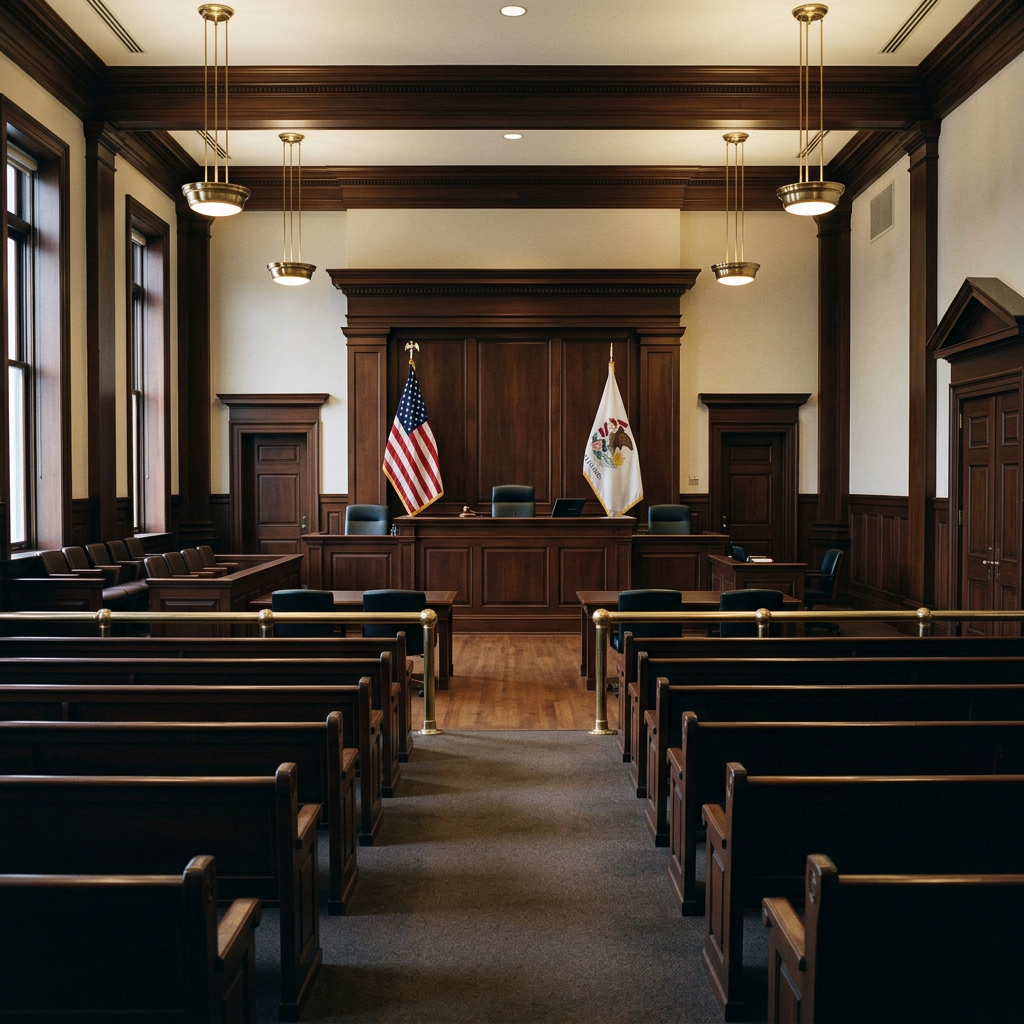
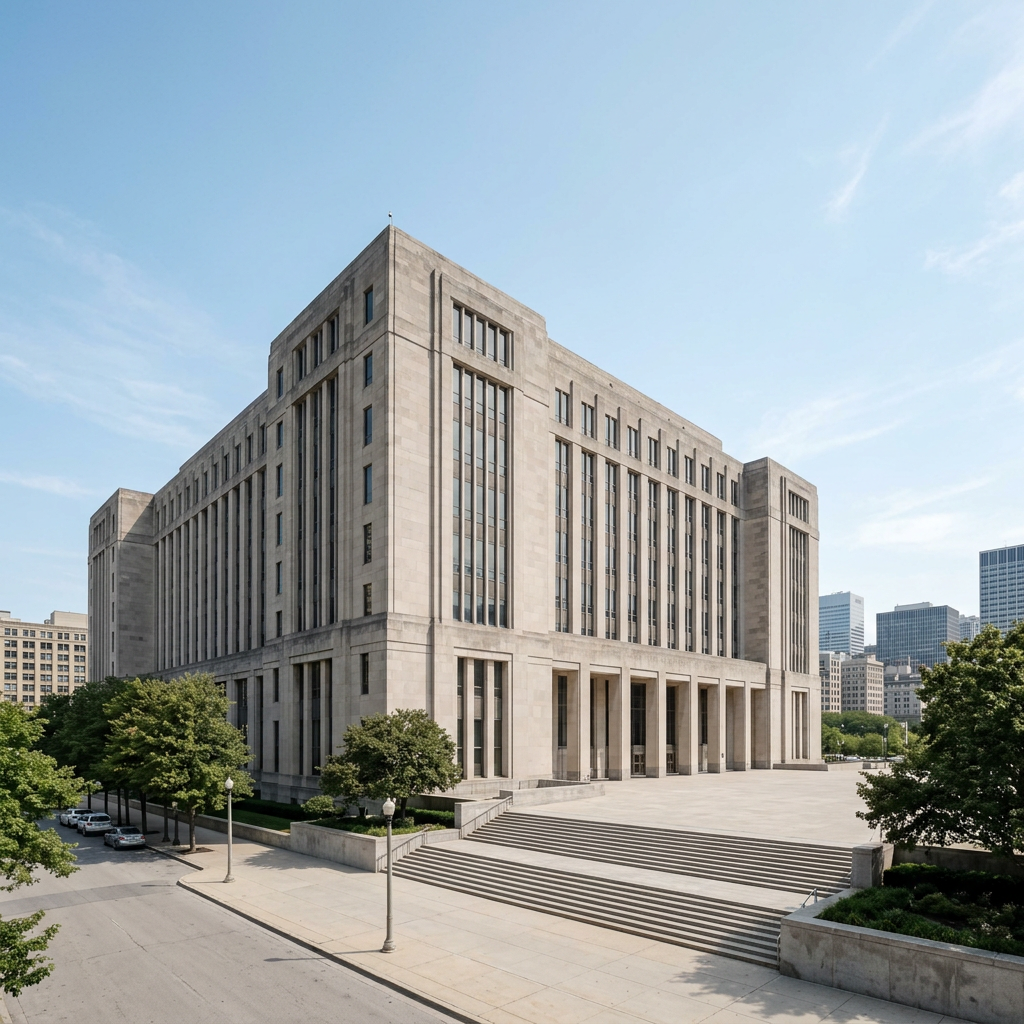
Right to a Neutral Hearing Officer The hearing must be conducted by a detached, neutral judge — the same Circuit Court judge assigned to your case, or another judge in the Circuit Court of Cook County, located at the Criminal Courts Building at 26th Street and California Avenue for felony matters.
Disclosure of Evidence You are entitled to know what evidence the state intends to use against you. This allows your attorney to challenge the reliability or admissibility of that evidence before or during the hearing.
One right you do not have at a revocation hearing is the right to a jury trial. Revocation is considered part of the original sentencing process, not a new criminal prosecution, so the Sixth Amendment jury-trial right does not attach. That distinction has major practical consequences, which the next section explains.

The Revocation Hearing: How It Works
The revocation hearing is the formal court proceeding where a judge decides whether you violated your probation and, if so, what should happen next. It is governed by 730 ILCS 5/5-6-4 and differs from a criminal trial in several critical ways.
The Burden of Proof: Preponderance of the Evidence This is perhaps the single most important thing to understand. In a criminal trial, the state must prove guilt beyond a reasonable doubt — a very high bar. At a probation revocation hearing, the state only needs to prove the violation by a preponderance of the evidence, meaning it is more likely than not that you violated a condition. In plain terms, if the judge believes there is a 51% chance you did it, that is enough.
This lower standard means that even if you were acquitted of the new criminal charge that triggered the violation, the state can still successfully pursue revocation based on the same conduct. An acquittal in criminal court is not a guaranteed shield in a revocation proceeding.
Relaxed Rules of Evidence The formal rules of evidence that apply in a criminal trial are loosened at a revocation hearing. Hearsay — statements made outside of court — may be admitted and considered by the judge, though it cannot be the sole basis for a finding. Your attorney can still challenge the reliability and weight of such evidence.
The Two-Stage Process The hearing typically unfolds in two stages:
- The Violation Finding Stage — The judge hears evidence and decides whether a violation occurred. The state presents its case first; you then have the opportunity to respond with your own evidence and witnesses.
- The Dispositional Stage — If a violation is found, the judge holds a second phase (sometimes on the same day, sometimes later) to decide what consequence is appropriate. This is where mitigation evidence — showing why revocation would be disproportionate or explaining circumstances — is particularly important.
The Role of the Cook County State's Attorney In Cook County felony cases, the Cook County State's Attorney's Office prosecutes the violation on behalf of the state. A prosecutor will present evidence, call witnesses (often the probation officer), and argue for a specific outcome. Having experienced legal representation to counter that argument is critical.
Preliminary Hearings and Bond If you were taken into custody on a warrant, you are entitled to a prompt preliminary hearing where the court determines whether there is probable cause to believe a violation occurred. The judge may also set bond at this stage, which determines whether you can be released while the full hearing is pending. For serious violations, the court may hold you without bond.
Possible Outcomes: From Warning to Prison
If the judge finds that a violation occurred, the court has a wide range of responses available. Revocation and imprisonment is not automatic — judges consider the seriousness of the violation, your history on probation, any mitigating circumstances, and what sentence was originally imposed.
Under 730 ILCS 5/5-6-4(e), a court that finds a violation may:
Continue Probation With a Warning For minor or first-time technical violations with a good track record otherwise, the judge may simply issue a formal admonishment and continue the probation under the same or slightly modified terms. This is effectively a second chance.
Modify the Conditions of Probation The court can add new, stricter conditions — such as electronic monitoring (ankle bracelet), a curfew, increased reporting frequency, mandatory substance abuse treatment, or a short jail stay — while keeping probation intact. This is a common middle-ground outcome.
Impose a Jail Sentence as a Condition The judge may order you to serve a period of time in the Cook County Jail as a condition of continued probation, sometimes called a "shock" sentence, before returning you to probation supervision.
Revoke Probation and Impose the Original Sentence This is the most serious outcome. If the court revokes probation, it can re-sentence you to any term of imprisonment that was available at the time of the original conviction — up to the full statutory maximum for the offense. For a Class 1 felony, that could mean up to 15 years in the Illinois Department of Corrections. For a Class X felony, it could mean 6 to 30 years, or more with enhancements. Time already served on probation generally does not reduce the potential prison sentence the way time served in custody does.
Credit for Time Served You are generally entitled to credit for any days you spent in custody on the violation — for example, time spent in Cook County Jail while awaiting the hearing. Your attorney should ensure this credit is properly calculated and applied.
Why Mitigation Evidence Matters The dispositional stage of the hearing is your best opportunity to show the judge why a lenient outcome is appropriate. Mitigation can include:
- Evidence of progress in treatment programs
- Employment or educational achievements since sentencing
- Family responsibilities and community ties
- The circumstances that led to the technical violation (for example, a missed appointment caused by a medical emergency)
- Letters or testimony from employers, counselors, or family members
- A history of compliance before the isolated violation
Presenting compelling mitigation requires preparation, and preparation requires a lawyer.

Technical Violations and Illinois Sentencing Policy
Illinois has grappled for years with how to handle technical probation violations, recognizing that sending people to prison for missing appointments or failing drug tests has significant human and financial costs without always serving public safety.
The Illinois Compiled Statutes and court rules encourage courts to consider alternatives to incarceration for purely technical violations, particularly when the underlying offense was nonviolent. Judges are not required to revoke probation; they have genuine discretion. This means your attorney's ability to frame the violation in context — and to present a credible plan for future compliance — can make a real difference.
Substance Use and Mental Health Many technical violations are rooted in substance use disorders or mental health challenges. Cook County has resources specifically designed to address this overlap, including drug court and mental health court programs. If you are facing revocation partly because of relapse or untreated mental illness, your attorney may be able to negotiate a transfer to one of these specialty courts rather than a prison sentence.
The Importance of Acting Quickly If you believe a violation report has been filed or a warrant has been issued, time matters. Turning yourself in proactively — rather than waiting to be arrested — can sometimes work in your favor at the bond hearing stage. More importantly, retaining counsel as early as possible gives your attorney maximum time to investigate, gather mitigation evidence, and potentially negotiate with the State's Attorney's Office before the hearing.
A Note on Juvenile Probation Juvenile probation violations in Cook County follow a somewhat different process under the Juvenile Court Act (705 ILCS 405) and are handled in the Juvenile Justice Division of the Circuit Court of Cook County. If the person on probation is a minor, different rules, standards, and outcome ranges apply. This article focuses on adult probation.
For official information about probation supervision in Cook County, the Circuit Court of Cook County website (cookcountycourt.org) provides guidance on the Adult Probation Department and its procedures.
What to Do If You Are Facing a Probation Violation
Learning that a violation has been alleged — or being served with a warrant — is frightening. Here is a practical, step-by-step overview of how to respond thoughtfully.
Step 1: Do Not Ignore It Failing to appear for a scheduled violation hearing will result in an arrest warrant if one has not already been issued. Ignoring the problem makes everything worse. Courts view failure to appear as a sign of disrespect for the process and a risk of flight.
Step 2: Do Not Make Statements Without Counsel Anything you say to your probation officer, to law enforcement, or in court can be used against you at the revocation hearing. You have the right to remain silent. Exercise it until you have spoken with an attorney.
Step 3: Gather Documentation Start collecting anything that supports your case: medical records explaining a missed appointment, pay stubs or employment letters, receipts for treatment program attendance, or any other documentation relevant to the alleged violation or your overall compliance.
Step 4: Contact an Attorney Immediately This is the most important step. A defense attorney can review the violation report, advise you on the strength of the state's case, help you prepare mitigation evidence, negotiate with the Cook County State's Attorney's Office, and represent you at every stage of the hearing. If you cannot afford private counsel, contact the Cook County Public Defender's Office.
Step 5: Be Honest With Your Attorney Your lawyer is bound by confidentiality rules. The more completely and honestly you describe what happened, the better equipped your attorney will be to develop the most effective strategy — whether that is challenging the violation finding itself or minimizing the consequences at the dispositional stage.
Step 6: Comply Going Forward While your case is pending, continue meeting every condition of your probation that you are able to meet. Demonstrating ongoing compliance signals to the court that the violation was an isolated incident rather than a pattern of disregard.
Probation is a privilege, but it is also a complex legal status with serious consequences when it is revoked. Understanding your rights and the process is the first step toward protecting yourself. This article provides general legal information only — it is not legal advice, and no article can substitute for the guidance of an attorney who knows the specific facts of your situation.
For official information on Illinois sentencing law, visit the Illinois General Assembly's website at ilga.gov. For information about the Circuit Court of Cook County's probation services, visit cookcountycourt.org.
Frequently Asked Questions
The editorial team researches and writes plain-language immigration information, drawing on official government sources and reviewing each page for clarity and accuracy.
Sources & Citations
- [1]Official Government Source: 730 ILCS 5/5-6-4 — Violation, Modification, or Revocation of Probation (Illinois General Assembly)
- [2]Official Government Source: Circuit Court of Cook County — Adult Probation Department
- [3]Official Government Source: Illinois Unified Code of Corrections — Sentencing (730 ILCS 5/Art. V, ilga.gov)
- [4]Official Government Source: Cook County State's Attorney's Office
More criminal defense insights
Insights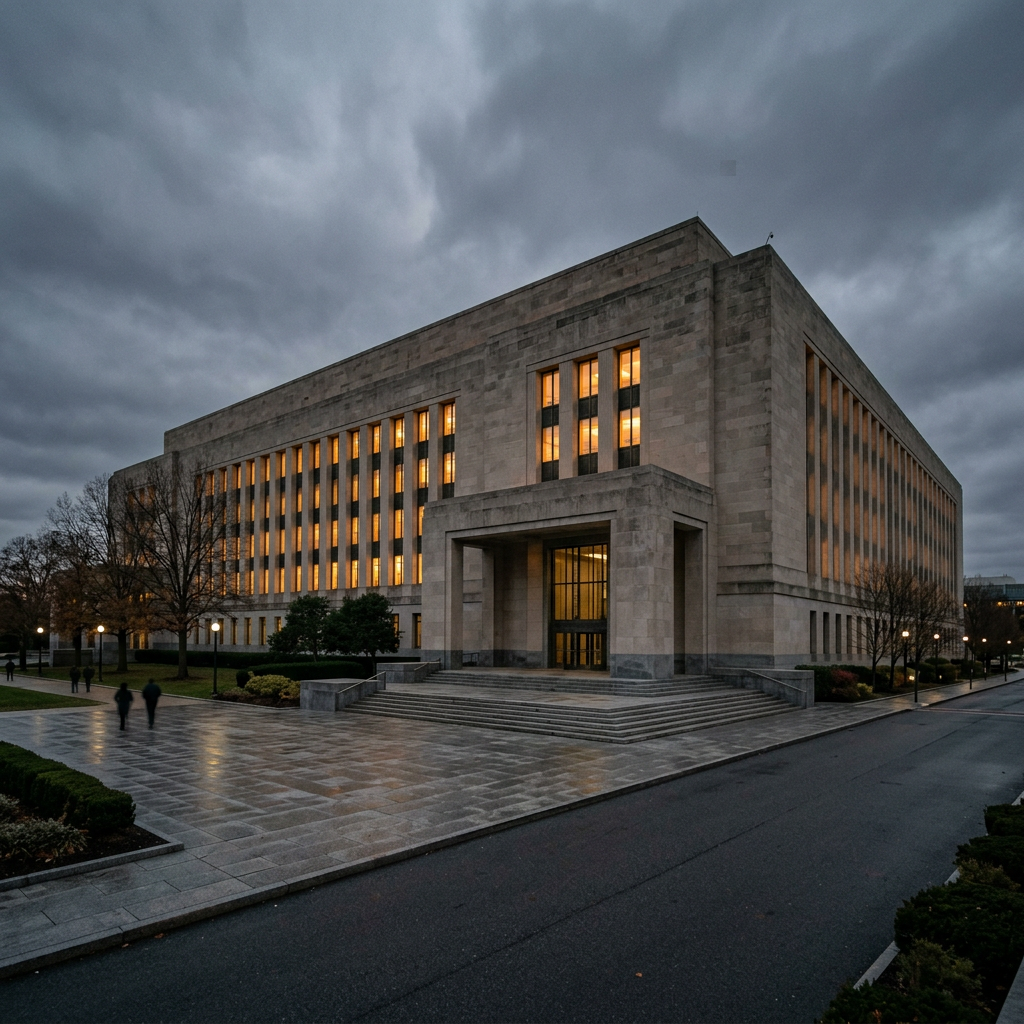
Need help with your criminal case?
Our experienced Chicago criminal defense attorneys offer confidential consultations to review your case and outline clear next steps.
Request a Consultation