What Happens After a DUI Arrest in Illinois
After a DUI arrest in Illinois, you face two separate legal tracks: a criminal court case and an automatic driver's license suspension called a statutory summary suspension. You have only 46 days from the date of arrest to request a hearing to challenge that suspension. Understanding booking, bond, arraignment, and how Cook County courts process these cases can help you protect your rights from day one.

The Arrest and Booking Process
The moment an Illinois officer decides to make a DUI arrest, a chain of events begins that moves quickly — often faster than people expect. Understanding what happens at each step can reduce some of the fear and confusion that comes with being in custody.
At the scene, the officer will typically ask you to perform standardized field sobriety tests and may request a preliminary breath test (PBT). Illinois law under 625 ILCS 5/11-501 makes it unlawful to drive with a blood alcohol concentration (BAC) of 0.08 or more, or while under the influence of any impairing substance.
Chemical testing and implied consent. Under Illinois's implied consent law (625 ILCS 5/11-501.1), anyone who drives on Illinois roads is considered to have consented to chemical testing — breath, blood, or urine — when lawfully arrested for DUI. If you refuse the test, or if you take it and register a BAC of 0.08 or more (0.04 for commercial drivers, any measurable amount for drivers under 21), the officer is required by law to issue you a Warning to Motorist form on the spot. This single document is enormously important — it starts the clock on your 46-day window, discussed below.
The booking process typically unfolds at the local police station or county jail. In Cook County, that can mean processing at a Chicago Police Department district station, a suburban municipal lockup, or the Cook County Department of Corrections depending on where the arrest happened. During booking, officers will:
- Record your personal information and photograph you
- Take your fingerprints (which are submitted to the Illinois State Police criminal history database)
- Inventory and secure your personal property
- Run a background check for outstanding warrants
- Place you in a holding cell until bond is set or you are released
Booking can take anywhere from a couple of hours to the better part of a day, depending on how busy the facility is. You have the right to remain silent and the right to speak with an attorney. Exercise both.
Bond and Getting Released
For most first-offense DUI arrests in Illinois, defendants are released relatively quickly — often on recognizance (also called an I-bond), meaning you sign a promise to appear in court and pay nothing up front. However, release is never guaranteed, and several factors influence what a bond judge decides.
Factors that affect bond in Cook County:
- Prior criminal history or outstanding warrants
- Whether there was a serious accident or injury involved (DUI involving death or great bodily harm carries much harsher treatment under 625 ILCS 5/11-501(d))
- Whether minor children were in the vehicle at the time (625 ILCS 5/11-501(c))
- Your ties to the community and flight risk
- Whether the arrest involved an extremely high BAC
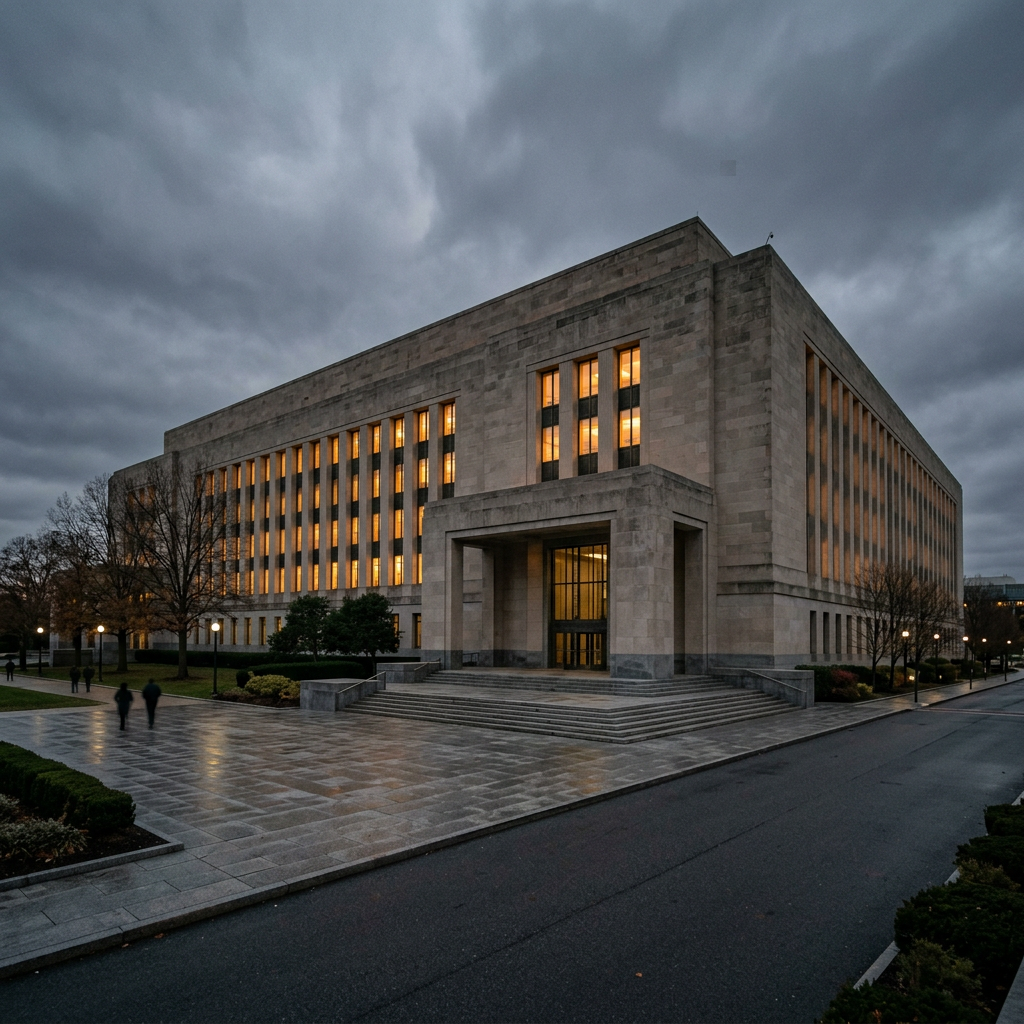
In Cook County, bond hearings for people held overnight typically happen at the Leighton Criminal Court Building at 26th and California (the main criminal courthouse on the city's West Side) or at the relevant suburban courthouse. A bond judge will set conditions of release, which in DUI cases sometimes include alcohol monitoring, restrictions on driving, or mandatory installation of a Breath Alcohol Ignition Interlock Device (BAIID) as a condition of bond.
If a cash or deposit bond is required, you or a family member pays a percentage of the set amount (typically 10%) to the clerk's office. The remaining amount serves as a guarantee you will appear at all future court dates.
Once released, you will receive a notice with your next court date. Do not miss it. Failing to appear results in an automatic warrant for your arrest and forfeiture of any bond money posted.

The Statutory Summary Suspension and the 46-Day Deadline
This is one of the most time-sensitive parts of a DUI arrest in Illinois, and it is completely separate from your criminal case. Even if your DUI charge is eventually dismissed, reduced, or you are found not guilty, the summary suspension can still go into effect unless you act.
What is a statutory summary suspension? Under 625 ILCS 5/11-501.1, the Illinois Secretary of State automatically suspends your driving privileges when notified of a qualifying test result or a test refusal. The suspension period depends on your situation:
| Situation | Suspension Length |
|---|---|
| First offense, failed test (BAC ≥ 0.08) | 6 months |
| First offense, test refusal | 12 months |
| Second or subsequent offense, failed test | 1 year |
| Second or subsequent offense, test refusal | 3 years |
For CDL holders and drivers under 21, different thresholds apply — see the section below.
The suspension does not take effect immediately. There is a 46-day waiting period after the arrest date, which gives you a narrow window to fight it.
The 46-day hearing request window. You have 46 days from the date of your arrest to file a Petition to Rescind the Statutory Summary Suspension with the court where your criminal case is pending. In Cook County, that means filing at the appropriate division of the Circuit Court of Cook County — either the Richard J. Daley Center for traffic matters handled there, or the Leighton Criminal Court Building. If you do not file within 46 days, the right to a hearing is waived and the suspension takes effect automatically on day 46.
At the rescission hearing, the issues the court examines are narrow and procedural — for example, whether the officer had reasonable grounds to believe you were driving under the influence, whether you were properly warned, and whether the test was administered correctly. This is not the same as the full criminal trial.
Monitoring Device Driving Permit (MDDP). For first-time offenders who do not challenge or lose the rescission hearing, Illinois law (625 ILCS 5/6-206.1) generally allows you to apply to the Secretary of State for an MDDP, which permits you to drive anywhere at any time during the suspension period as long as a BAIID is installed in your vehicle. Check the Illinois Secretary of State's website at ilsos.gov for current eligibility rules and fees, as they are updated periodically.
Arraignment and the Criminal Case
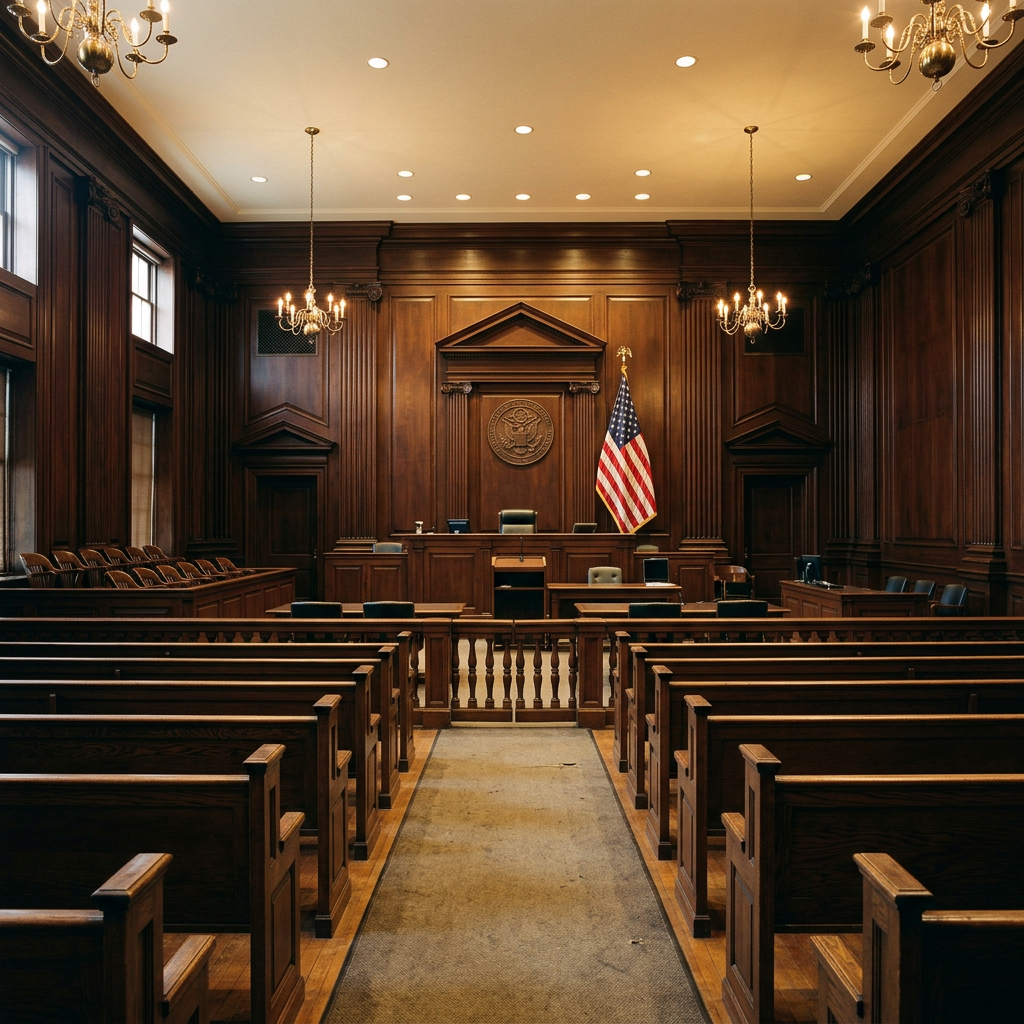
While you are managing the summary suspension clock, your criminal DUI case is also moving forward through the Cook County court system.
What is an arraignment? An arraignment is your first formal court appearance on the criminal charge. At this hearing, a judge reads the charges against you and asks you to enter a plea — typically guilty, not guilty, or (in some circumstances) no contest. In the vast majority of DUI cases, defendants enter a not guilty plea at arraignment, which preserves all options while the case is investigated and negotiated.
In Cook County, arraignments for DUI cases filed as misdemeanors typically occur in the municipal district where the arrest happened — the Circuit Court of Cook County has six municipal districts spread across the county. Felony DUI cases (for example, a third or subsequent DUI, or a DUI involving death or great bodily harm) are handled at the Leighton Criminal Court Building at 26th and California.
DUI charge classifications in Illinois:
- Class A misdemeanor — Standard first or second DUI offense (625 ILCS 5/11-501(c)(1)); punishable by up to 364 days in jail and fines
- Class 4 felony — Third DUI offense, or DUI with a revoked/suspended license, among other circumstances
- Class 2 felony — DUI involving death or great bodily harm (sometimes called aggravated DUI)
- Class X felony — Certain aggravated DUI offenses involving multiple deaths
After arraignment, the case moves into pre-trial phases: discovery (where your attorney reviews police reports, video footage, breath test calibration records, and other evidence), possible pre-trial motions (such as a motion to suppress evidence if the stop was unlawful), plea negotiations with the Cook County State's Attorney's Office, and ultimately either a plea agreement or trial.
The Cook County State's Attorney's Office handles thousands of DUI prosecutions each year. Understanding that this office has standardized practices and that experienced defense attorneys regularly appear before the same judges in these courtrooms is one reason local knowledge matters in your defense.

CDL Holders and the Under-21 Zero-Tolerance Rule
Illinois applies stricter standards to two groups of drivers: commercial driver's license (CDL) holders and anyone under the age of 21. If you fall into either category, the consequences of a DUI arrest are more severe and can take effect at a lower BAC threshold.
Drivers under 21 — Zero Tolerance Illinois's zero-tolerance law (625 ILCS 5/11-501.8) means that any driver under 21 who registers a BAC above 0.00 on a chemical test after a lawful stop faces a statutory summary suspension — even if the amount detected would not result in a DUI charge for an adult. Specifically:
- A BAC of 0.00 but any detectable amount: suspension applies
- The suspension periods mirror those for adult DUI, but they can begin earlier in a young person's driving life, sometimes creating longer-term impacts on employment and insurance
- Underage drivers do not qualify for an MDDP during a zero-tolerance suspension — meaning there is no permit to drive with an interlock device during the suspension period
For young drivers in the Chicago area, this can mean losing access to transportation to school, work, or family responsibilities for the full suspension period. Fighting the rescission hearing — within that 46-day window — is especially important in these cases.
Commercial Driver's License (CDL) Holders Federal regulations incorporated into Illinois law create a separate, harsher framework for CDL holders under 625 ILCS 5/6-514 and related provisions:
- The BAC threshold for a CDL holder operating a commercial vehicle is 0.04 — half the standard adult limit
- A first-offense DUI or CDL disqualification results in a one-year disqualification of CDL privileges (three years if transporting hazardous materials)
- A second offense results in a lifetime CDL disqualification
- Critically, a CDL holder can be disqualified from commercial driving even if the DUI occurred while driving their personal vehicle, not a commercial vehicle
For truck drivers, bus drivers, and other CDL holders in the Chicago metro area, a DUI arrest is not just a legal problem — it is often a direct threat to their livelihood. The Illinois State Police maintains records on commercial driver violations; you can find general CDL information at isp.illinois.gov.
Both underage drivers and CDL holders should be aware that the criminal DUI case and the license consequences are handled on separate tracks, and both tracks require prompt attention.
What to Do Right Away: Your Next Steps
A DUI arrest in Illinois creates multiple urgent deadlines. Missing even one of them can significantly limit your options. Here is a practical overview of what to do — and what not to do — in the days immediately following your arrest.
Do these things promptly:
- Write down everything you remember about the stop, the field sobriety tests, what the officer said, and what you said. Memory fades quickly and details matter.
- Locate the Warning to Motorist form — the yellow or pink document the officer should have given you at the scene or during booking. This confirms the date your 46-day clock started.
- Note your next court date from your bond paperwork or release documents and put it on your calendar immediately.
- Contact a criminal defense attorney as soon as possible. The 46-day window does not pause while you are searching for representation.
- Do not post about your arrest on social media. Anything you say publicly can be seen by prosecutors.
Understand your record going forward. Even a first-offense DUI conviction in Illinois carries mandatory minimum consequences under 625 ILCS 5/11-501: loss of driving privileges, fines, possible imprisonment, mandatory alcohol evaluation and treatment, and a permanent entry on your criminal history maintained by the Illinois State Police at isp.illinois.gov. A conviction cannot be expunged from your record under current Illinois law.
Use official resources. The Circuit Court of Cook County (cookcountycourt.org) provides court date lookup tools and location information for its various divisions and courthouses. The Illinois Secretary of State (ilsos.gov) maintains your driving record and processes summary suspension and MDDP applications. The Cook County Public Defender's Office provides representation to those who qualify financially — contact the Circuit Court at arraignment if you believe you may qualify.
Remember: the information in this article is general legal information about how the Illinois system works. It is not legal advice, and no two DUI cases are exactly alike. The facts of your stop, the strength of the chemical test evidence, your prior record, and dozens of other variables all affect how your case may unfold. An attorney who regularly practices in Cook County courts can review your specific situation and help you understand your real options.
Frequently Asked Questions
The editorial team researches and writes plain-language immigration information, drawing on official government sources and reviewing each page for clarity and accuracy.
Sources & Citations
- [1]Official Government Source: Illinois Compiled Statutes – DUI (625 ILCS 5/11-501), Implied Consent, and Summary Suspension
- [2]Official Government Source: Circuit Court of Cook County – Official Case Lookup and Court Locations
- [3]Official Government Source: Illinois Secretary of State – Statutory Summary Suspension and MDDP Information
- [4]Official Government Source: Illinois State Police – Criminal History and CDL Information
- [5]Official Government Source: Cook County State's Attorney's Office
More criminal defense insights
Insights
Need help with your criminal case?
Our experienced Chicago criminal defense attorneys offer confidential consultations to review your case and outline clear next steps.
Request a Consultation